{H1_TAG_CONTENT}
The 5MP Bispectral Thermal AI Camera fuses long-wave thermal sensing with high-resolution visible imaging in a single ruggedized enclosure — so nothing crosses your perimeter unseen.
5MP
Visible sensor
320×240
Thermal core
-40°F
Cold start
NDAA Compliant
TAA Compliant
ONVIF Profile
UL Listed
CE / FCC
5-Year Warranty
01 · Technology

Two sensors. One camera.
Zero blind spots.

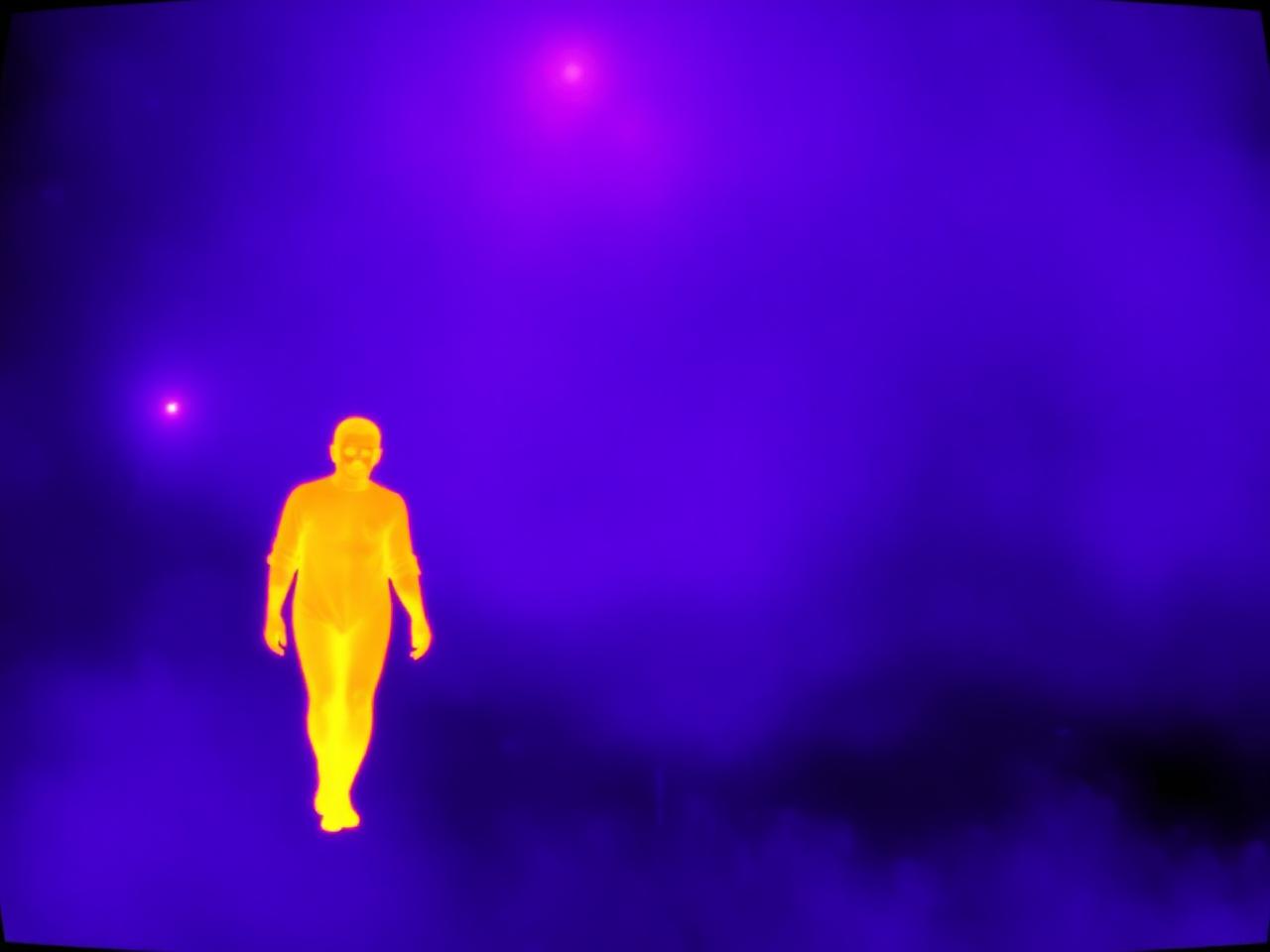
Bispectral imaging pairs a long-wave infrared thermal core with a 5MP visible sensor. Thermal picks up heat signatures through fog, smoke, glare, and total darkness. Visible confirms the target with full-color detail — every alert is verifiable evidence, not a guess.
Thermal imaging output showing a warm human silhouette in a foggy scene
Thermal · 320×240NETD 65 mK
Detection in complete darkness

7.8–14 µm spectral range catches body heat, engines, and thermal anomalies through fog, smoke, and adverse weather — where visible cameras go blind.

Thermal imaging output showing a warm human silhouette in a foggy scene
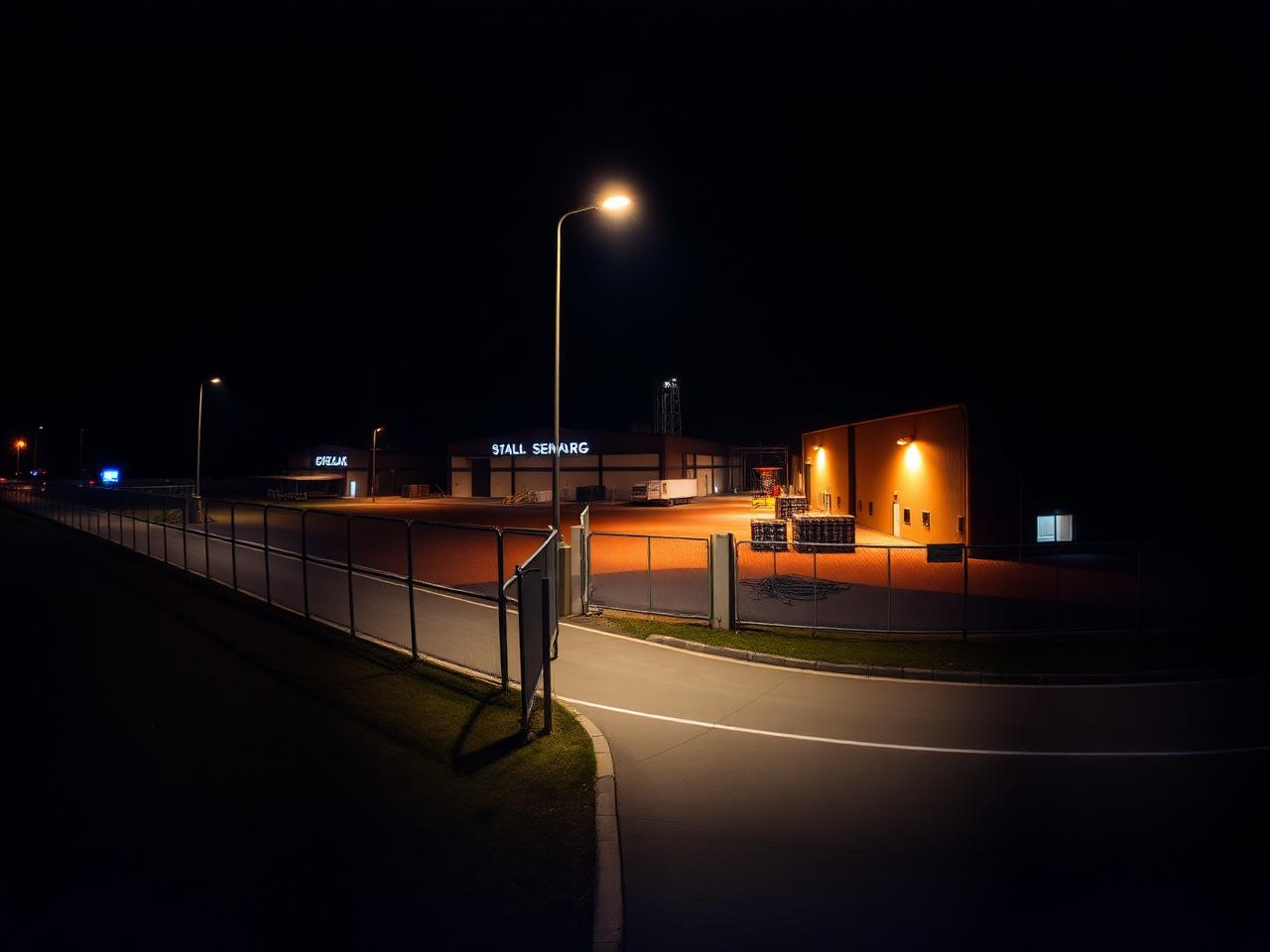
Visible · 5MP tar-Light PlusTrue WDR 120dB
Verification in full color

5.69M CMOS with 0.16 lux color sensitivity, 80′ Smart IR, and 120 dB WDR delivers court-usable evidence — even under harsh backlight or near-total darkness.

02 · Main features

Purpose-built for perimeter reality.

Long-range detection, operator-tuned palettes, and proactive temperature alarms — three signature capabilities that separate a bispectral thermal camera from a repurposed visible one.
Detection distance
See threats from up to 984 ft away.

Long-wave thermal optics extend actionable range far beyond visible
cameras — detect a vehicle at 984 ft and a person at 394 ft, day or night,
through fog, smoke, and glare.
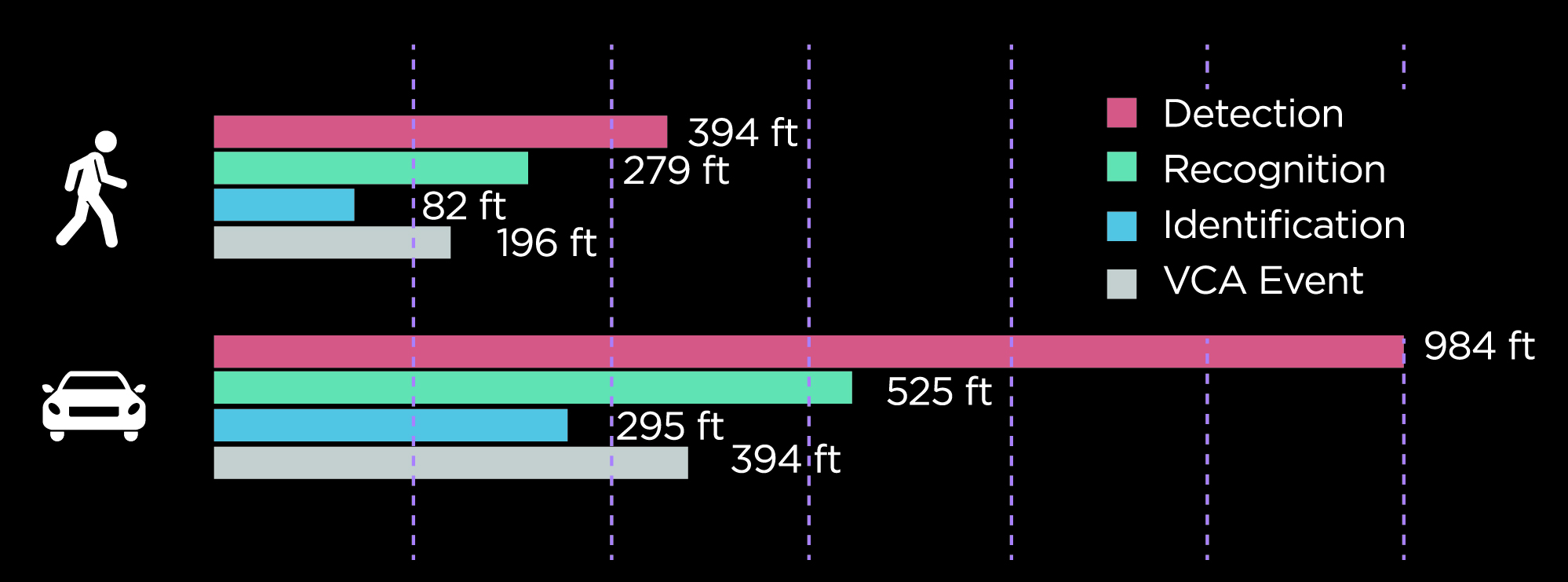
Chart showing detection, recognition, identification, and VCA event distances for the DWC-XTBG05DiT camera for a person and a vehicle
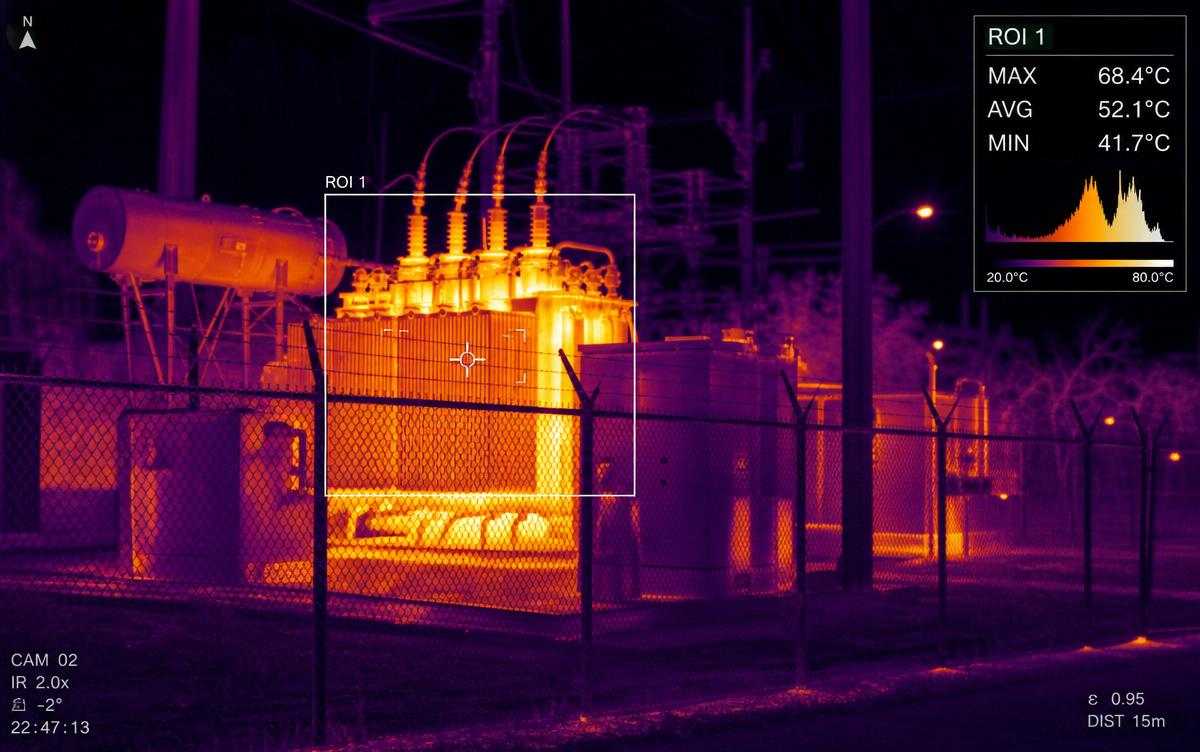
Thermal surveillance view of an electrical substation with an ROI overlay displaying max, average, and minimum temperature readings
Abnormal temperature alarm
Catch fires and equipment faults before they escalate.

Draw ROIs and set min / max / average temperature thresholds. Trigger real-time alarms on overheating machinery, hot bearings, ignition sources, or unauthorized heat signatures.

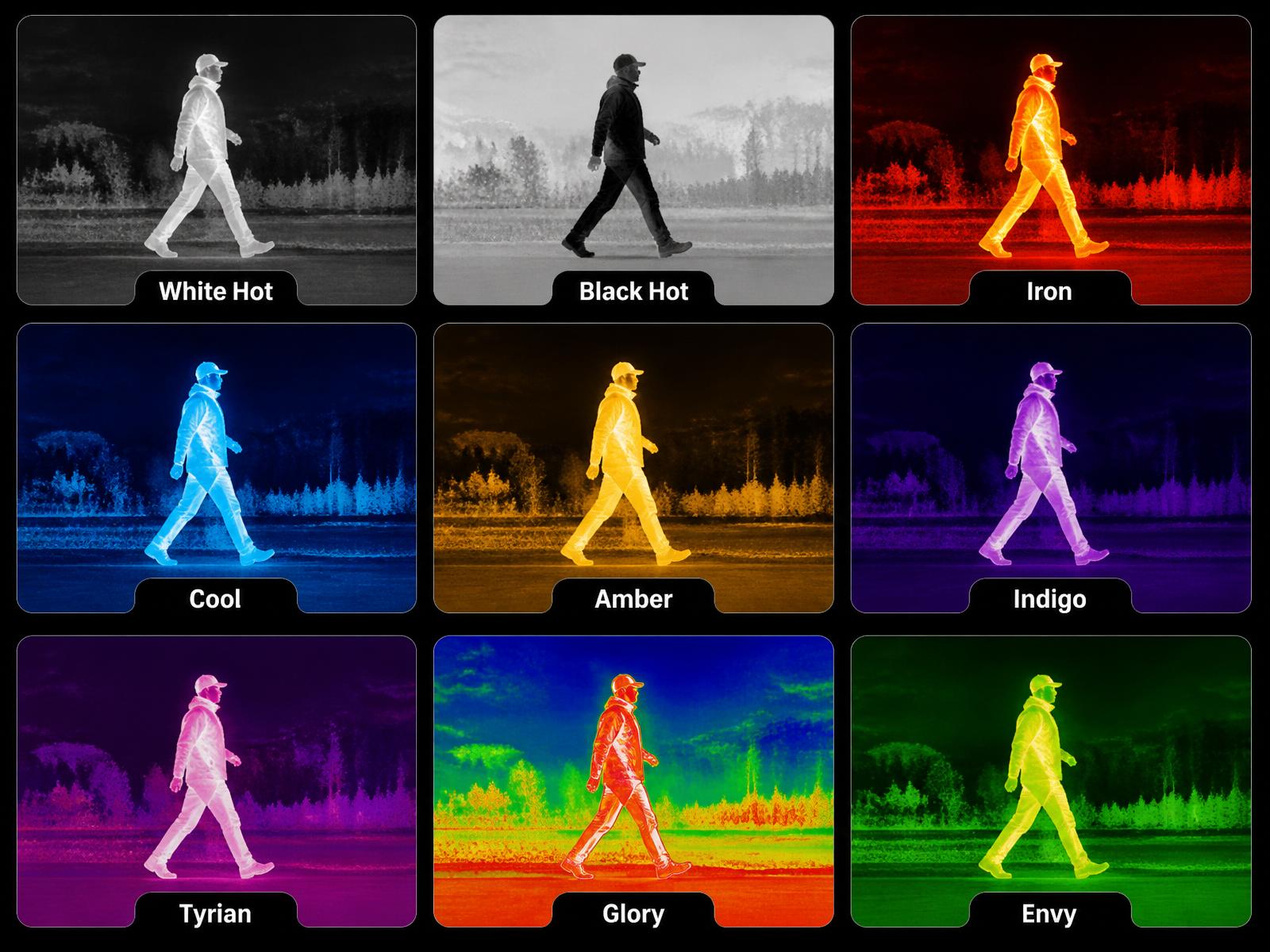
9 Thermal color palettes
Nine palettes. One camera. Every operator tuned in.

Switch between White Hot, Black Hot, Iron, Cool, Amber, Indigo, Tyrian, Glory, and Envy to maximize contrast for the scene, task, and viewing conditions. Fatigue drops, targets pop.

White Hot Black Hot Iron Cool Amber Indigo Tyrian Glory Envy
Grid of the nine thermal color palettes available on the DWC-XTBG05DiT — White Hot, Black Hot, Iron, Cool, Amber, Indigo, Tyrian, Glory, and Envy
03 · Capabilities

Engineered to see what others miss.

Purpose-built for outdoor perimeter security, critical infrastructure, and mission-grade sites.
01
AI object detection & tracking

On-camera classification of people and vehicles. Filter alerts by object type, direction, line crossing, dwell, tailgating, and logical rules.

02
40 detection zones

Draw up to 40 independent zones and combine them with logical rules to eliminate false alarms in complex sites.

03
Thermal anomaly detection

Trigger events on temperature signatures — engines, fires, mammals, or unauthorized ignition — even before intruders reach the fence.

04
True WDR · 120 dB

Balances harsh backlight and deep shadow. Read license plates against headlights; see faces in doorway silhouettes.

05
Star- Light Plus + 80′ Smart IR

Full-color imaging down to 0.16 lux with intelligently synced IR for crisp B/W in total darkness.

06
-40°F cold start

Operates -40°F to 122°F. DC-powered cold start at -40°F for the harshest perimeter deployments.

07
IP66 · IK09 rugged housing

Sealed against dust and water, impact-rated against vandalism. Built for outdoor perimeters, not decorative lobbies.

08
NDAA & TAA compliant

Cleared for federal, government, and critical-infrastructure projects. 5-year warranty on every unit.

04 · Applications

Where visibility can't fail.

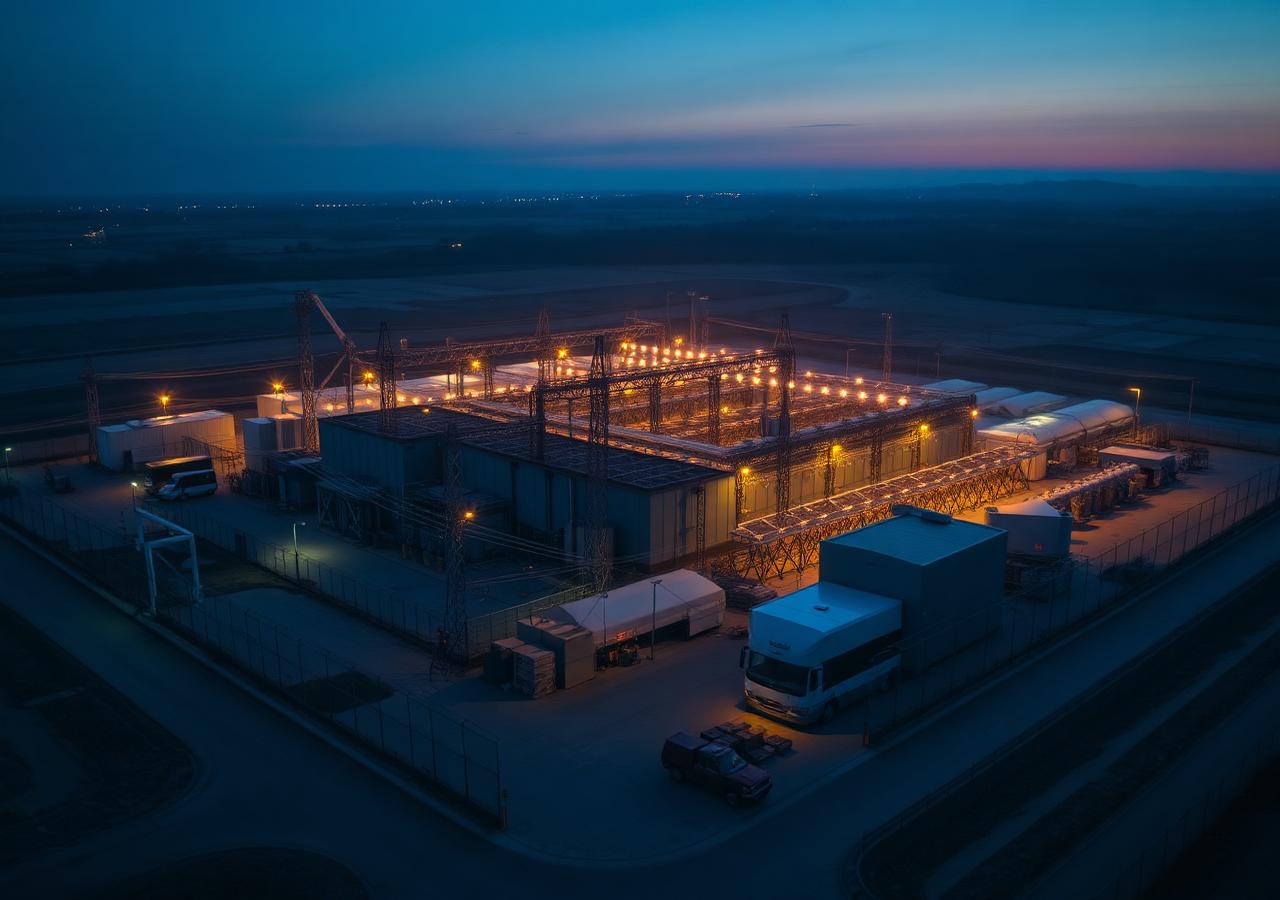
Critical infrastructure

Substations, water treatment, telecom, and data centers. Detect intrusion before it reaches the fence.

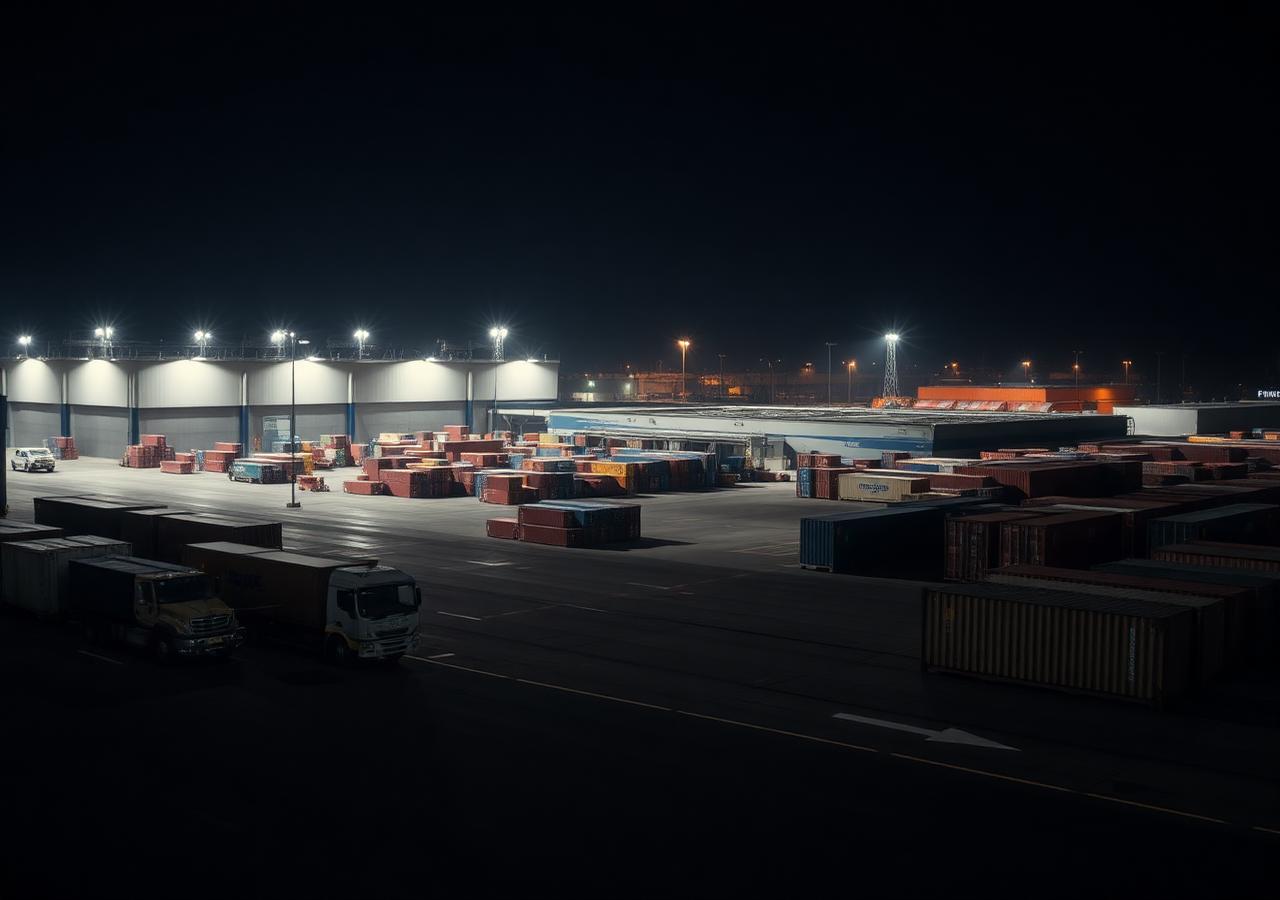
Logistics & industrial yards

Warehouses, ports, and container yards where sodium-vapor lighting blinds standard cameras.

Utilities & renewables

Solar farms, wind sites, and pipeline corridors — long perimeters, low light, extreme temperatures.

05 · Specifications

Every spec, no salesmanship.

Model DWC-XTBG05DiT · MEGAPIX.AI 5MP Bullet Thermal Bispectral AI Security Camera.
Visible imaging
Sensor
5.69MP CMOS · 2592 × 1944 active
Lens
4.0mm F2.0 fixed · 82.3° HFoV
Min. illumination
0.16 lux color · 0 lux B/W
Smart IR
80 ft (24 m)
WDR
True WDR · 120 dB
Thermal imaging
Resolution
320 × 240 · 12 µm pixel pitch
Lens
4.0mm F1.0 · 56° HFoV
Spectral range
7.8 – 14 µm
NETD sensitivity
65 mK typ. @ 25°C
Palettes
9 (white, black, iron, cool, amber, indigo, tyrian, glory, envy)
AI analytics
Detection
Object tracking · people · vehicles
Filters
Intrusion, line crossing, tailgating, dwell, counting, appear/disappear
Zones
Up to 40 · logical rules
Events
Motion, temperature anomaly, tamper, sensor, schedule
VMS
DW Spectrum · ONVIF

NOTE:

Thermal cameras are subject to stricter export control requirements than standard visual cameras. DW provides thermal cameras at 9 fps to support compliance with export control regulations in most regions worldwide.

Under specific conditions, DW thermal cameras can provide accurate temperature measurements; however, they are not intended for human fever detection or for diagnosing, mitigating, or preventing any disease or health condition.

06 · FAQ

Thermal imaging, explained.

The concepts, terminology, and use cases operators and integrators ask about most.
01
What are thermal cameras?

Thermal cameras — also called thermal imagers or long-wave infrared (LWIR) cameras — are sensors that visualize heat instead of visible light. Every object above absolute zero radiates infrared energy; a thermal camera reads that radiation and translates it into a live image where hotter objects appear brighter (or in a chosen color palette). Because they don't need any ambient light, thermal cameras see in total darkness, through smoke, and through most airborne obscurants.

02
How do thermal cameras work?

A thermal core uses a microbolometer array — a grid of tiny detectors that change resistance as they absorb long-wave infrared radiation (7.8 – 14 µm on the DWC-XTBG05DiT). The camera samples every pixel's temperature many times per second, applies calibration and NUC (non-uniformity correction), then maps the resulting radiometric data to a false-color image using a palette like White Hot or Iron. Sensitivity is measured in NETD (noise-equivalent temperature difference) — lower is better; 65 mK means the sensor can distinguish objects that differ by only 0.065 °C.

03
What is the difference between infrared (IR) and thermal imaging?

Standard 'IR' security cameras use near-infrared (NIR) illuminators — invisible LEDs at ~850 nm — to light a scene, then capture the reflected light with a normal CMOS sensor. If the LEDs fail or something blocks them, the camera goes blind. Thermal imaging is passive: it detects long-wave infrared emitted by the objects themselves, so it needs no illumination, works through complete darkness, and is unaffected by headlights, glare, fog, or smoke.

04
What applications can benefit from thermal imaging?

Anywhere visibility is unreliable or heat itself is the signal: perimeter and critical infrastructure security (substations, water, telecom, data centers), logistics and container yards, solar farms and wind sites, ports and borders, petrochemical facilities, prisons, and airports. Radiometric features add fire prevention, machinery health monitoring, cold-chain and process monitoring, and early detection of thermal runaway in battery storage.

05
What makes the DWC-XTBG05DiT 'bispectral'?

It combines two lenses in one housing: a 5MP visible-light sensor (2592×1944, 4.0mm F2.0) and a 320×240 thermal sensor (4.0mm F1.0, 7.8–14 µm spectral range). The thermal lens detects heat signatures for intrusion detection while the visible lens provides color and B&W footage for visual verification.

06
Can the DWC-XTBG05DiT see in complete darkness?

Yes. The thermal sensor detects intruders in total darkness, fog, smoke, or harsh weather where standard cameras fail. The visible lens also uses Star-Light Plus technology for color imaging in near-total darkness, backed by 80ft Smart IR for clear B/W images when needed.

07
What AI analytics does the DWC-XTBG05DiT support?

AI-based object tracking with filters for zones and lines, tamper detection, metadata, intrusion, line crossing, counting, appear/disappear, stopped objects, enter/exit, direction, tailgating, dwell time, and logical rules. It supports up to 40 separate detection zones. Note: intelligent analytics apply to the visible lens only.

08
Does the DWC-XTBG05DiT work with video management software (VMS)?

Yes. It integrates seamlessly with DW Spectrum VMS and is also ONVIF-conformant for compatibility with other systems.

09
Why choose a bispectral camera over a thermal-only camera?

Thermal detects — but a heat blob alone isn't court-usable evidence. A bispectral camera pairs the thermal core with a high-resolution visible sensor in one enclosure and one IP address, so every thermal alert is instantly cross-verified with a full-color image. One cable, one mount, one VMS channel, zero ambiguity.

09
Is the DWC-XTBG05DiT NDAA and TAA compliant?

Yes. The DWC-XTBG05DiT is NDAA Section 889 and TAA compliant, cleared for U.S. federal, state, and critical-infrastructure deployments. Every unit ships with a 5-year DW warranty.

{CONTACT_FORM}